
Oct 15, 2026
What Are Twin Block Braces? A Melbourne Parent’s Guide (And Are They Painful?)
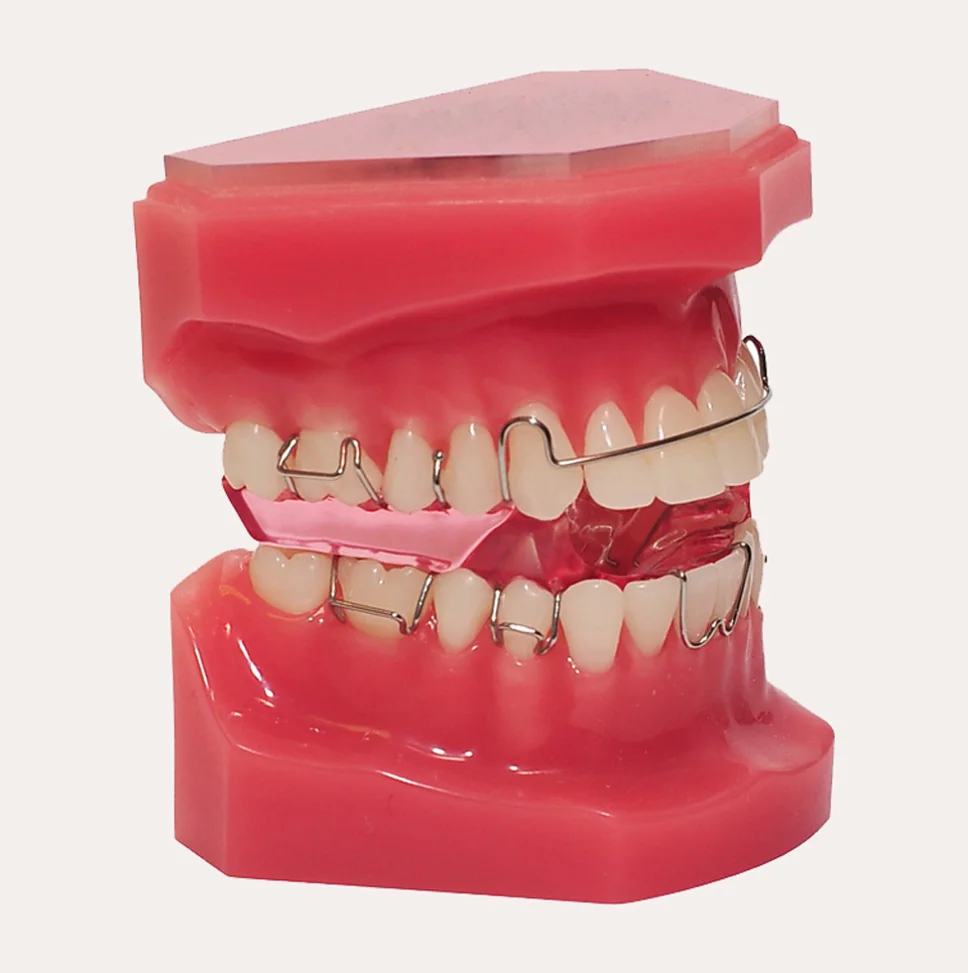
If your child has been recommended a twin block appliance, you probably have two questions straight away - what exactly is it, and will it hurt? This guide from Angle House Orthodontics explains what twin block appliances do, who they suit, what to expect day to day, and how we keep children comfortable throughout.
What is a twin block appliance?
A twin block is a type of removable functional appliance. Rather than straightening individual teeth like braces do, it works on the way the upper and lower jaws relate to each other. It is made up of two parts, an upper plate and a lower plate, each with angled blocks that meet when the mouth closes. These blocks gently guide the lower jaw into a more forward position, encouraging balanced growth and a better bite.
Because it is removable, your child takes it out for cleaning and, usually, for sport and eating, then pops it back in. It is most often used while a child is still growing, which is why timing and regular reviews matter.
Are twin block appliances actually “braces”?
People often search for “twin block braces”, but a twin block is not fixed braces. It is a functional appliance that corrects jaw position and bite, and it is sometimes used as a first phase before fixed braces or clear aligners fine-tune the alignment of the teeth later. In other words, the two can work as a team - the twin block sets up the foundation, and braces finish the detail.
Who is a twin block for?
Twin block appliances are typically recommended for growing children and younger teens who have a noticeable difference between the upper and lower jaw, often described as the lower jaw sitting too far back. Because it relies on natural growth, your orthodontist will assess the best window for treatment. You can read more about how we approach treatment at this age on our orthodontics for children page, and about this appliance family on our functional appliances page.
Are twin block braces painful?
This is the question we hear most, and the reassuring answer is that twin block appliances are generally not painful. They apply gentle, steady guidance rather than sharp pressure. That said, it is normal for the first week or so to feel a little different as your child gets used to it.
In the early days your child may notice:
- A feeling of fullness or pressure, especially when biting together.
- Mild tenderness in the teeth or jaw as things begin to settle.
- Extra saliva for a day or two while the mouth adjusts.
- Some changes to speech, which usually ease quickly with practice.
Any tenderness is usually mild and short-lived. Sticking to softer foods for the first few days and wearing the appliance as instructed actually helps the mouth adapt faster. If something feels sharp or rubs, that is easily adjusted at a quick review, so there is no need to put up with discomfort.
How long does a twin block take to work?
Every child is different, and the exact timeline depends on growth and how consistently the appliance is worn. As a general guide, the twin block phase often spans several months to around a year, followed by a review of whether fixed braces or aligners are needed to complete the alignment. Consistent wear is the single biggest factor in staying on track, which is why we set clear expectations with families from the start.
Tips to help your child settle in
- Wear it as prescribed. The more consistently it is worn, the quicker the mouth adapts and the better the result.
- Keep it clean. Rinse and brush the appliance daily, and store it in its case whenever it is out - never wrapped in a tissue.
- Start soft. Softer foods for the first few days make the adjustment easier.
- Practise speaking. Reading aloud for a few minutes a day helps speech return to normal quickly.
- Bring it to every appointment. Regular reviews let us make small, comfortable adjustments.
Quick FAQ: twin block appliances
What are twin block braces? A twin block is a removable functional appliance made of an upper and lower plate. It guides the lower jaw forward to improve the bite, and it is not the same as fixed braces.
Are twin block braces painful? No, not usually. There may be mild tenderness and a feeling of pressure for the first week while your child adjusts, but it should not be painful. Any sharp spots are quickly adjusted at a review.
Can my child take it out? Yes, it is removable for cleaning and generally for eating and sport, but it needs to be worn as prescribed to work. Consistent wear is key.
Will my child still need braces afterwards? Often a twin block is a first phase, with fixed braces or aligners used later to align the teeth. Your orthodontist will advise what is needed for your child.
Does it affect speech or eating? There may be a short adjustment period, but speech and eating usually settle within days.
Talk to us about your child’s bite
If you have been told your child may benefit from a twin block, or you have simply noticed a difference in how their jaw sits, the best next step is a proper assessment. At Angle House Orthodontics we see children, teens and adults across our Balwyn and Doreen practices and will explain every option clearly, including what a twin block involves and whether braces may follow. Book a consultation and we will talk you through it with no pressure and no jargon.
Book a consultation
- Free Treatment Plan from Specialist Orthodontist
- Free Orthodontic X-rays (valued at $150)
- Free Dental record photos (valued at $80)
- Free 3D Simulation of your teeth (see what the Orthodontist sees)
Please note, a $50 booking fee applies, payable at phone confirmation, and is credited towards treatment if you proceed.